Electric Food Truck: Why Mobile Food is Going Electric
The mobile food industry is going electric. No generator noise. No diesel fumes near food. Lower operating costs. Better venue access. Electric food trucks are the future of street food.
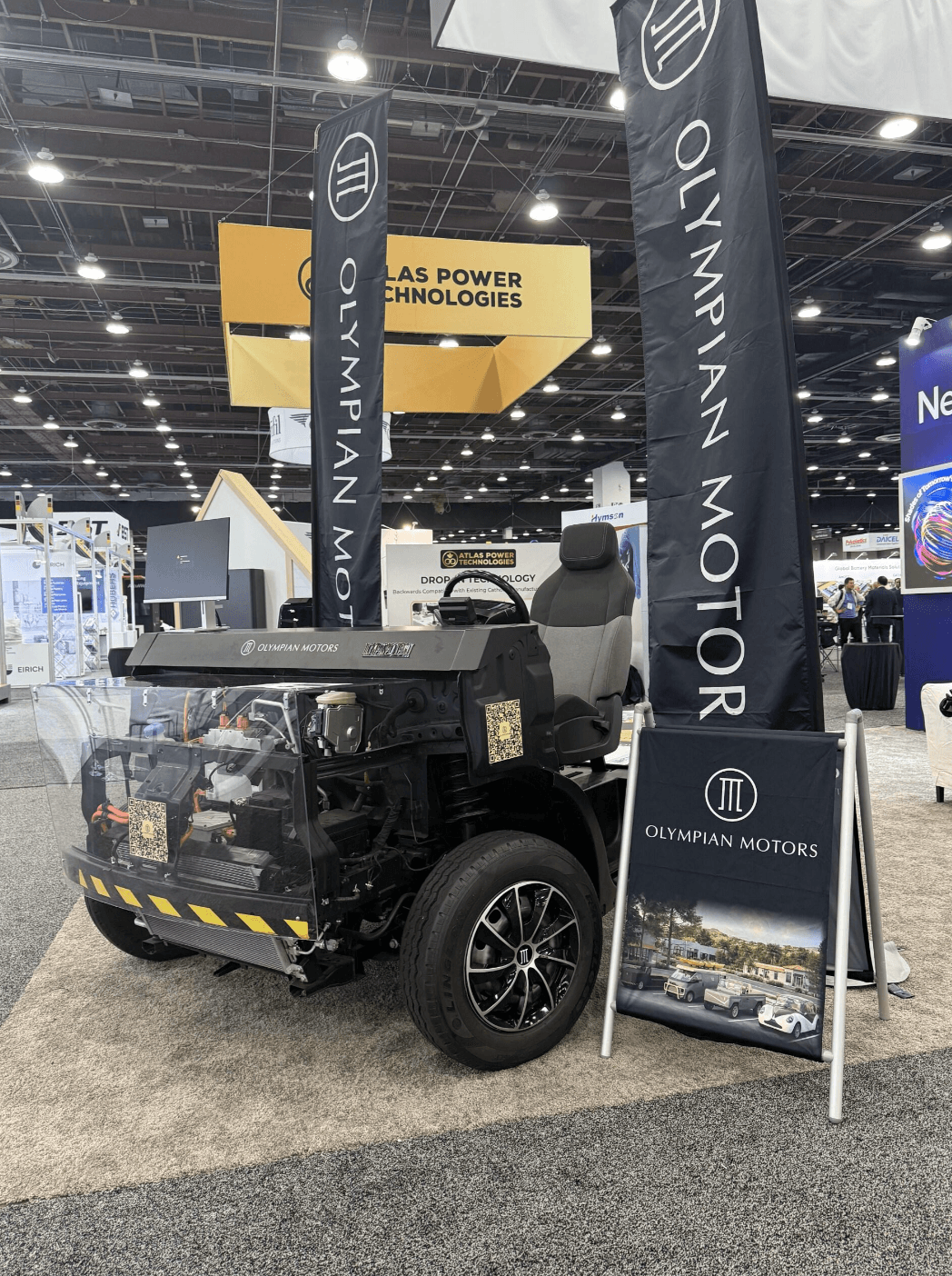
TABLE OF CONTENTS
Food trucks have a problem: they are loud, smelly, and polluting. Diesel generators run all day to power kitchens. Exhaust fumes mix with food aromas. Noise complaints limit where trucks can operate. Electric food trucks solve all of this.
Why Electric Food Trucks
Traditional food trucks run on two engines. One moves the truck. Another powers the kitchen — usually a loud, fuel-hungry generator bolted to the back. That generator burns through diesel while you serve, creating noise and fumes that affect everyone nearby.
An electric food truck eliminates the generator entirely. The same battery that drives the truck powers your kitchen equipment. Silent operation. Zero local emissions. Dramatically lower fuel costs.
70%
Lower fuel costs vs diesel
0
Generator noise complaints
100%
Indoor venue compatible
Operational Benefits
Running a food truck means tracking costs closely. Fuel, maintenance, and repairs eat into margins. Electric changes the math in your favor.
COST ADVANTAGES
No Generator Fuel
Battery powers both driving and kitchen
Less Maintenance
No oil changes, no generator service
Overnight Charging
Charge at lower off-peak rates
Longer Equipment Life
Smooth power delivery protects kitchen gear
Better Venue Access
Many venues ban food trucks because of noise and emissions. Corporate campuses, indoor events, hospitals, schools, and upscale locations often have strict policies. An electric food truck opens doors that stay closed to diesel.
Indoor events are the biggest opportunity. Trade shows, conventions, and private events inside buildings are off-limits to combustion vehicles. Electric food trucks can operate anywhere a golf cart can.
Indoor Events
Convention centers, expo halls, and indoor markets. Serve hot food where diesel trucks cannot even enter.
Corporate Campuses
Tech companies and offices with sustainability requirements. Electric trucks fit their environmental policies.
Hospitals & Schools
Locations with strict air quality requirements. Zero emissions means zero objections.
Residential Areas
Neighborhoods with noise ordinances. Silent operation means no complaints, longer hours.
Customer Experience
People notice electric. No diesel rumble in the background while they order. No exhaust smell mixing with food aromas. Just quiet cooking and conversation.
Customers increasingly care about sustainability. An electric food truck signals that your business shares their values. It becomes part of your brand, not just your operations.
Quiet
No generator drone
Clean
No exhaust fumes
Modern
Tech-forward image
Green
Sustainability cred
TOP 4 DECISION FACTORS
| Factor | Why It Matters for Food Trucks |
|---|---|
| Quality | Commercial-grade reliability for daily service operations and demanding schedules |
| Safety | Food-safe electrical systems with proper isolation for kitchen equipment and staff |
| Warranty | Business-protecting coverage keeps your food truck earning, not waiting for repairs |
| Modularity | Configure power outputs and mounting for any kitchen layout or equipment setup |
Frequently Asked Questions
Can the battery power kitchen equipment all day?+
What kitchen equipment works with electric?+
How much does an electric food truck cost?+
What if I run out of battery during service?+
Can I run propane cooking equipment alongside electric?+
What permits are needed for an electric food truck?+
How do I maintain the battery with daily commercial use?+
Build Your Electric Food Truck
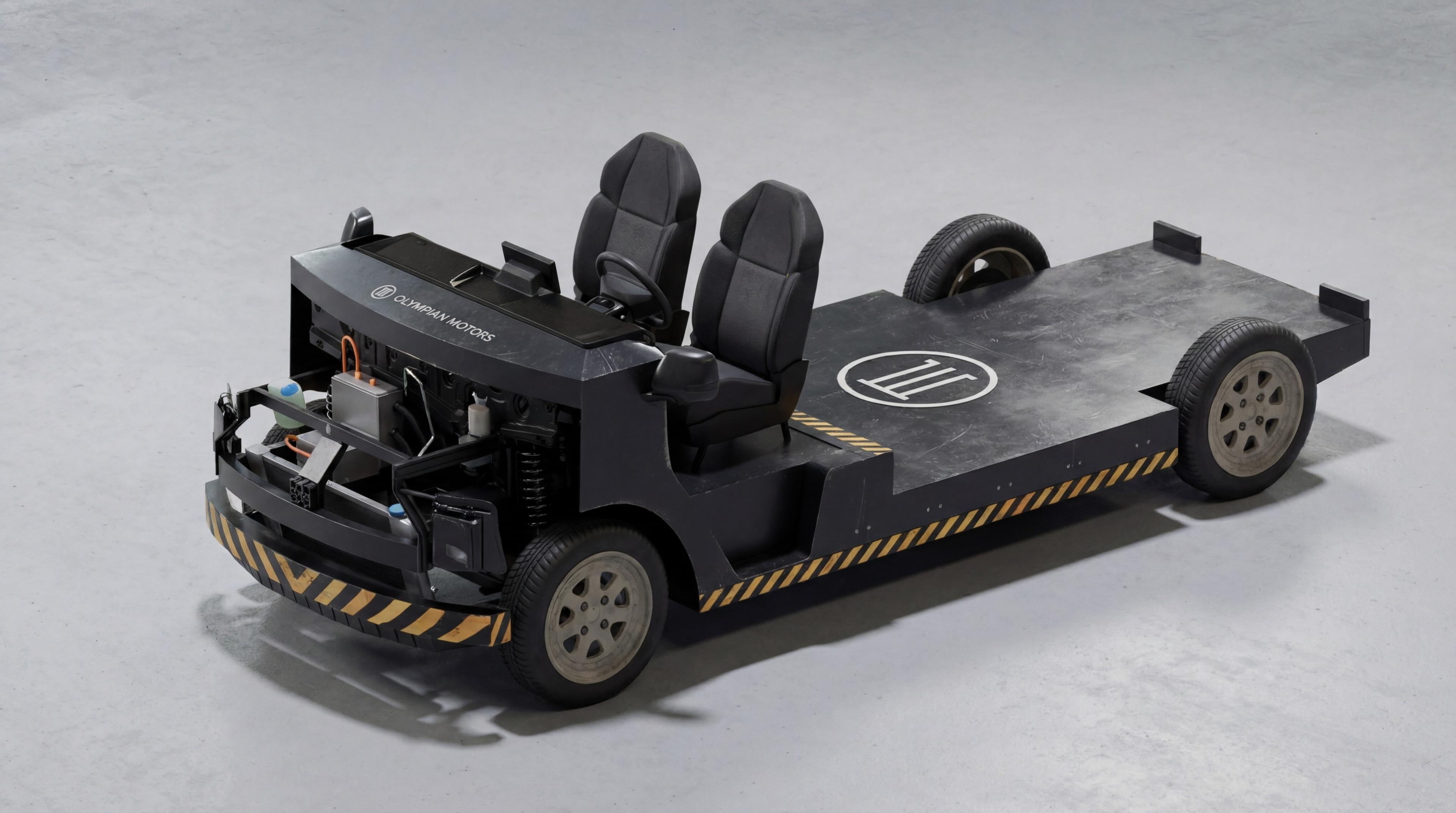
Join the shift to electric mobile food. Lower costs. Better access. Happier customers. The platform is ready for your kitchen build.
VIEW FOOD TRUCK PLATFORM >>>